Español
 English

Why visit Níjar
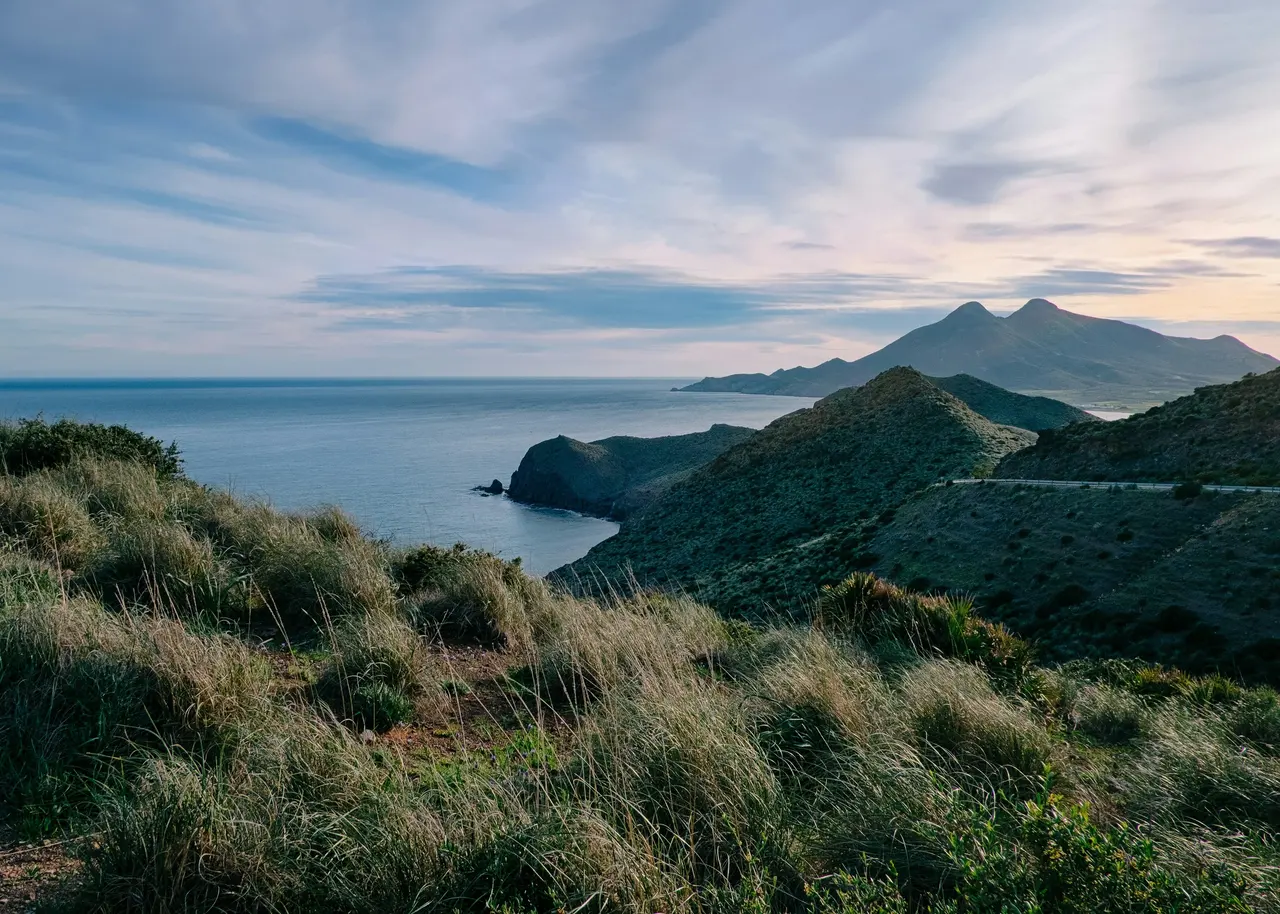
Start by separating the town of Níjar from the municipality. The old town lies inland, below the Sierra Alhamilla. Its lanes rise to a watchtower and its workshops make pottery and woven textiles. The edges of the municipality reach the Mediterranean inside the Cabo de Gata-Níjar Natural Park. From San José to Agua Amarga, you will find villages with different beaches, landscapes and reasons to stop.
This part of Almería province lies in eastern Andalusia. Spend one day on the town and a single part of the coast. With more time, give Rodalquilar its own day. The town, the mines and the shore reveal different ways of working with an arid landscape. Wells, cisterns and place names become easier to read once you have seen how people stored and used water.
When to go
Spring and early autumn are good for combining the climb to the watchtower with a workshop visit and a walk by the sea. If sand blows across an open beach or the sea is rough, make that the day for the botanical garden or the old town. Keeping two days flexible usually works better than booking every stop before you have seen the forecast.
In summer, make uphill walks first thing and check the access arrangements for any beach outside a village before leaving. In winter, set aside daylight for the viewpoints and short paths. If the Water Museum is a priority, confirm when you can visit and arrange the drive around it.
Getting there and around
Different exits and local roads from the A-7 serve the old town and the coast. If you arrive at Almería Airport, a hire car makes it easier to put inland and coastal stops into the same trip. If you are travelling without one, choose a single base and confirm both legs of any day trip before you depend on public transport.
Search maps for San José, Rodalquilar or Agua Amarga with Almería as the province. Níjar on its own will generally direct you to the old town. The coast looks continuous on a map. In practice, you often go inland to switch from one beach to another. Group stops in the same sector and allow for the return to your base.
What to see in Níjar
The old town and watchtower
Begin near the church of Santa María de la Anunciación and climb through the lanes to the watchtower. As the view opens, you can see how the town sits between the hills and the plain. Take a different route down towards the workshops. If you are looking at a piece of pottery, ask what the shape was made to do. Different vessels make more sense once you know how people stored or carried what went in them.
Rodalquilar and the mining landscape
View the old mining structures from public areas, where the slope between the workings and the village is easy to see. Then set aside time for El Albardinal. Its plants give you a reference for the dry habitats you will pass on walks. El Playazo completes a day in this part of the municipality, with a defensive building and rocky shoreline around the beach.
Monuments and heritage
The church and the watchtower sit at different heights in the old town. At the church you can see how the streets meet. At the tower you can see why the hill gives a view towards the plain. Visit both in the same walk if you want to understand the setting after arriving by road.
On the coast, San Felipe castle at Los Escullos and the San Ramón battery above El Playazo illustrate two positions used in coastal defence. Use public viewpoints and plan for exterior visits. The shoreline visible from each building explains its position even if you spend little time by the walls.
Museums and culture
The Water Museum in the town puts wells, cisterns and irrigation in context. It makes an especially good first stop if you are going on to Huebro. Check admission arrangements with the municipality. Around the old streets, look for pottery and the woven floor coverings known as jarapas. Níjar is officially recognised as a craft area, and a workshop visit ties the finished pieces to the place they were made.
Rodalquilar introduces the area’s mining history. Seen from the village, the workings, industrial remains and valley form part of the same landscape. Allow time to learn what you can see from accessible areas before driving down to the beach.
Neighbourhoods and areas
The old town suits a half-day among workshops and hilly streets. San José has a village beach and a harbour, and is a practical base for the Los Genoveses and Mónsul sector. Los Escullos and La Isleta del Moro illustrate a different stretch of coast, where smaller settlements sit beside outcrops and coves.
Rodalquilar lies in a valley open to the sea. Las Negras has a waterfront under the hills, and Agua Amarga is further east on its own bay. Compare actual addresses before choosing your base. Two properties advertised as being in Cabo de Gata can leave you with quite different day trips.
Nature and protected areas
The natural park is also part of the Cabo de Gata-Níjar UNESCO Global Geopark. Its shoreline preserves volcanic formations and fossil reefs. Coastal viewpoints give you room to spot differences in the rock, while Rodalquilar shows how mining reshaped part of the same landscape.
Choose moderate temperatures and good visibility for exposed walks. Follow marked paths around dune vegetation. El Albardinal is a useful stop if you want to recognise plants adapted to arid ground before you go out walking.
Beaches in Níjar
San José, Los Genoveses and Mónsul
San José is the straightforward option for a swim and a walk through the village on the same outing. Los Genoveses lies in a wider bay below the Morrón. Mónsul gives you a change of scenery with a dune and rock rising from the shore. Pick one of the two when you want a long beach visit. In 2026, the regional government regulated motor vehicle access to this part of the coast from 20 June to 27 September. Check the park’s notice for your travel dates.
El Playazo and Agua Amarga
El Playazo is a natural match for Rodalquilar. If it is too windy for a swim, make for the coastal view around the San Ramón battery and the rocks. Agua Amarga has its beach beside the village, which gives you an easier outing if you want to combine walks with time on the sand. Choose by where you start the day.
Festivals and traditions
The council’s 2026 calendar listed the Níjar town fair from 23 to 27 September and the Rodalquilar fair on 26 and 27 June. The municipality’s villages have their own events. If you are booking a trip around a fair, check the programme for the year of your visit and look up the place rather than assuming it is in the town of Níjar.
Craft traditions are visible outside the festival calendar. Browse both pottery and textile workshops, and take an interest in the different shapes and fabrics the makers choose.
Routes and itineraries
Town and coast in one day. Start with the church, watchtower and workshops. Then go to San José if you want a village and beach together, or Los Genoveses if you have checked the access for your visit. Leave room for the transfer from inland rather than adding another booking at the far end of the coast.
Two days in the park. Spend one at San José and a nearby beach. Use the other to link the mining landscape at Rodalquilar, El Albardinal and El Playazo. If you are based in Agua Amarga, change the order so that you can finish a day with a walk near your accommodation.
Day trips
In neighbouring Almería, go to the salt pans and lighthouse for birdwatching and coastal views. For an entirely different day, travel into the city for the Alcazaba and Museum of Almería. The city and coast lie far enough apart to benefit from a separate visit.
Up the coast, Mojácar pairs a hill town with resorts and beaches below the Sierra Cabrera. Spend most of the day on the fountain and viewpoints if you came to see the old town. To add a coastal walk, choose a specific beach before leaving the hillside.
Where to stay in Níjar
Use the old town as a base for workshops and the hills. San José puts Los Genoveses and Mónsul in the same part of the park as your accommodation. Rodalquilar suits a stay organised around the mines and El Playazo. From Las Negras or Agua Amarga you can end your day beside the sea on foot. The name Cabo de Gata describes a broad area, so use the address to check how far each property lies from the beaches you want.
See places to stay in Níjar (opens in a new tab)Affiliate link: if you book through it, we may earn a commission at no extra cost to you.