Español
 English

Why visit A Coruña province
When deciding what to see in A Coruña province, divide the places you can visit on foot from a station from those that warrant a day on the road. In A Coruña itself, you can walk across the peninsula from the harbour to the Tower of Hercules. Compostela is a city of squares and pilgrims arriving along different streets. Further west, starting in Camariñas and going only as far as Cabo Vilán gives you a real stretch of walking time. Adding Fisterra makes a full day’s outing.
This part of Galicia takes in several distinct landscapes. A Coruña, Betanzos and Ferrol are around the estuaries of the Ártabro Gulf. North of those, the land rises to the cliffs of A Capelada. To the west, the headlands and small harbours of the Costa da Morte favour shorter journeys. South of Santiago, the Muros and Noia estuary and Barbanza are another trip in their own right. Pick two areas for five days, and keep a walk or free-to-visit stop on the list when a smaller town is quiet.
When to go
Choose a month for the coast you want
In June and September, you can use one part of the day for a town and the other for a trail or some time on the sand. Choose a day with good visibility for cliffs and high viewpoints. Fog can roll in after a clear start. Changes are easier to manage when you have an inland stop in the same area in mind, without having to extend the drive.
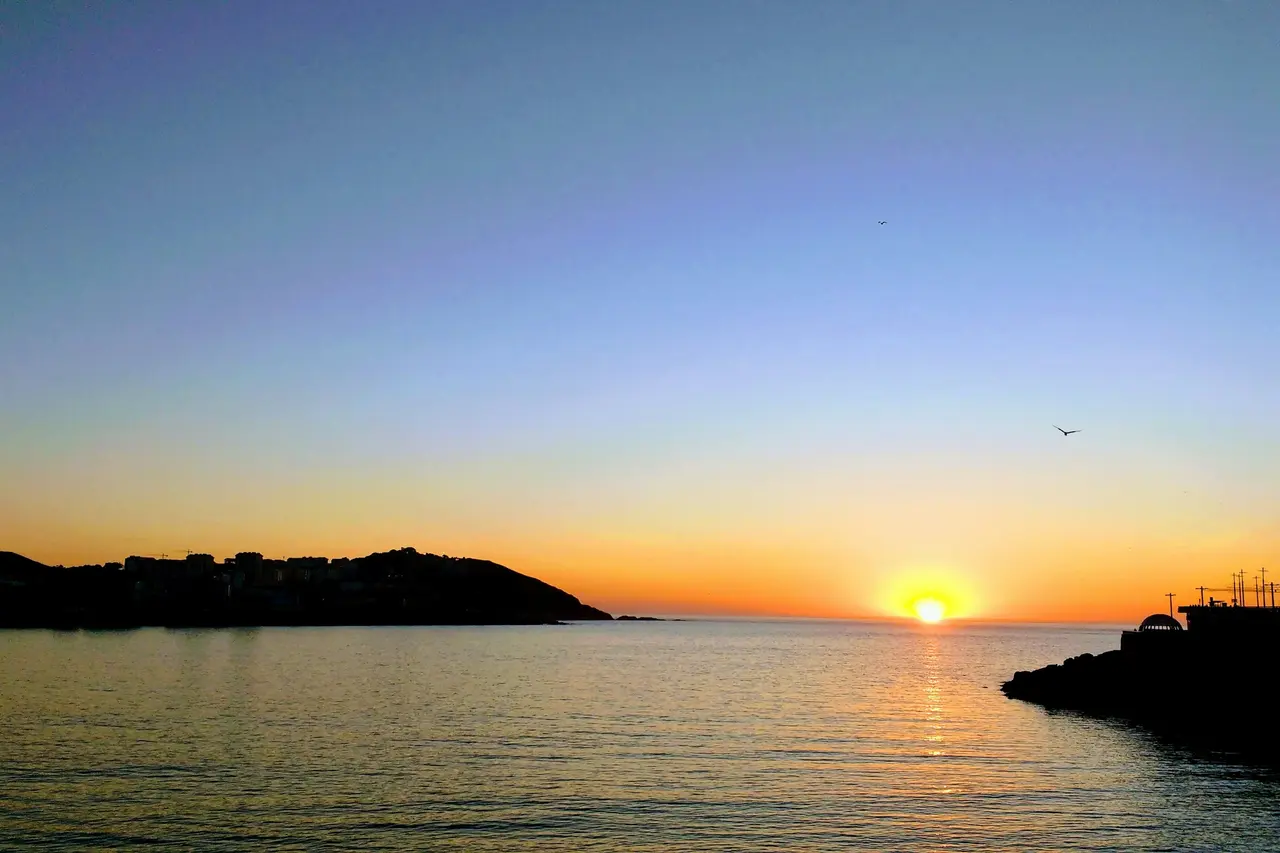
On a summer visit, decide whether you want city sand, a relatively sheltered shore or waves from the open Atlantic. To swim before lunch, look for accommodation within walking distance of a beach. To watch the sunset, check which way the coast faces and allow time to get back along the lanes to the main road. Two nights in the right port make several short outings possible.
In autumn and winter, Santiago, A Coruña and Ferrol all make practical bases for visiting between showers. Keep the exposed coast for a bright day. Heavy seas are worth watching from above and at a distance. Stay clear of wet rocks even if the waves seem to be breaking well below where you are standing.
Getting there and around
Arriving through Compostela or A Coruña
In 2026, Aena listed bus transport at Santiago-Rosalía de Castro Airport and A Coruña Airport. Check which stop serves your accommodation or the station you need for the next part of the trip. For an afternoon flight arrival, a night in town can simplify car hire and let you set off for the coast in daylight. If travelling by train, use the city where you arrive for your first visit and move on the following morning.
A Coruña is well placed for the Ártabro Gulf. Santiago puts city sights within reach and gives you a choice of coastal areas to continue to. Ferrol is a useful first stop for the English Way or A Capelada. For Noia and Muros, follow the shoreline on a map before choosing where to sleep. A little backtracking along one shore is easier to accommodate than repeatedly making the journey around a peninsula.
Group similar journeys
Save the longest drives for days between bases. Between Ferrol and the Costa da Morte, stop at Betanzos or another town on the route and reach the next base before dark. If you plan to visit several beaches, save the actual access points. Searching the beach name can land you in a nearby town with another drive to the sand.
Without a car, build the trip around Santiago, A Coruña or Ferrol, then choose day trips around transport you can book in both directions. For a linear walk, check which end has the easiest return and start at the other end if the outward journey is practical. A trail that starts and finishes near the same harbour gives you greater flexibility when buses are infrequent.
What to see in A Coruña province
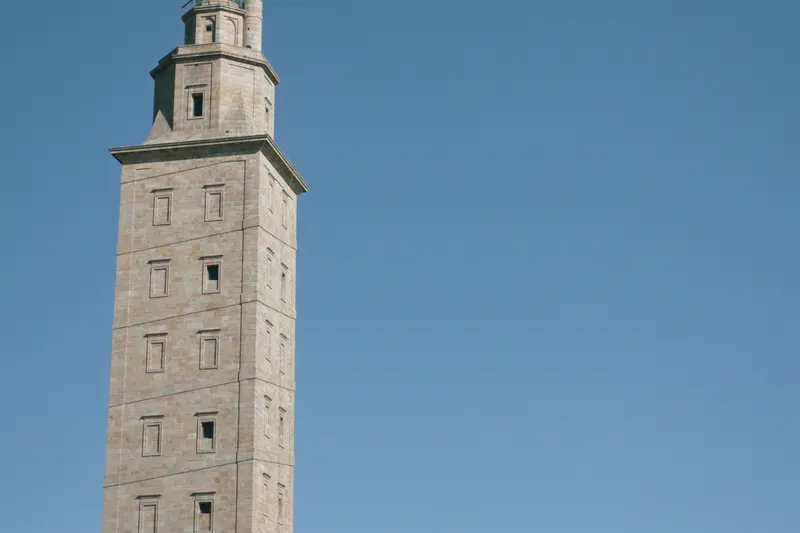
Things to do in A Coruña province around the Ártabro Gulf
In the city of A Coruña, start at the Marina by the glazed balconies and cut through the old town to the seafront. The lighthouse and its headland are worth a separate stop. Continue towards Orzán to see how the view changes as you leave the shelter of the harbour. On a windy day, split the time between the peninsula and streets further inland.
In Ferrol, combine the streets of A Magdalena with Ferrol Vello and the shore. San Felipe Castle stands near the mouth of the estuary. See where the channel narrows and how the shores face one another. If you continue towards Mugardos by road, treat it as an outing of its own. The journey around the water is longer than the crossing looks.
Betanzos and Pontedeume work for a trip at small-town scale. In Betanzos, start in the hilly old centre and finish near the river. In Pontedeume, combine the town with time in the Eume valley. Check which park entrance suits the route. Approaching from Pontedeume and driving to a viewpoint in another municipality are two very different excursions.
Santiago and the west coast
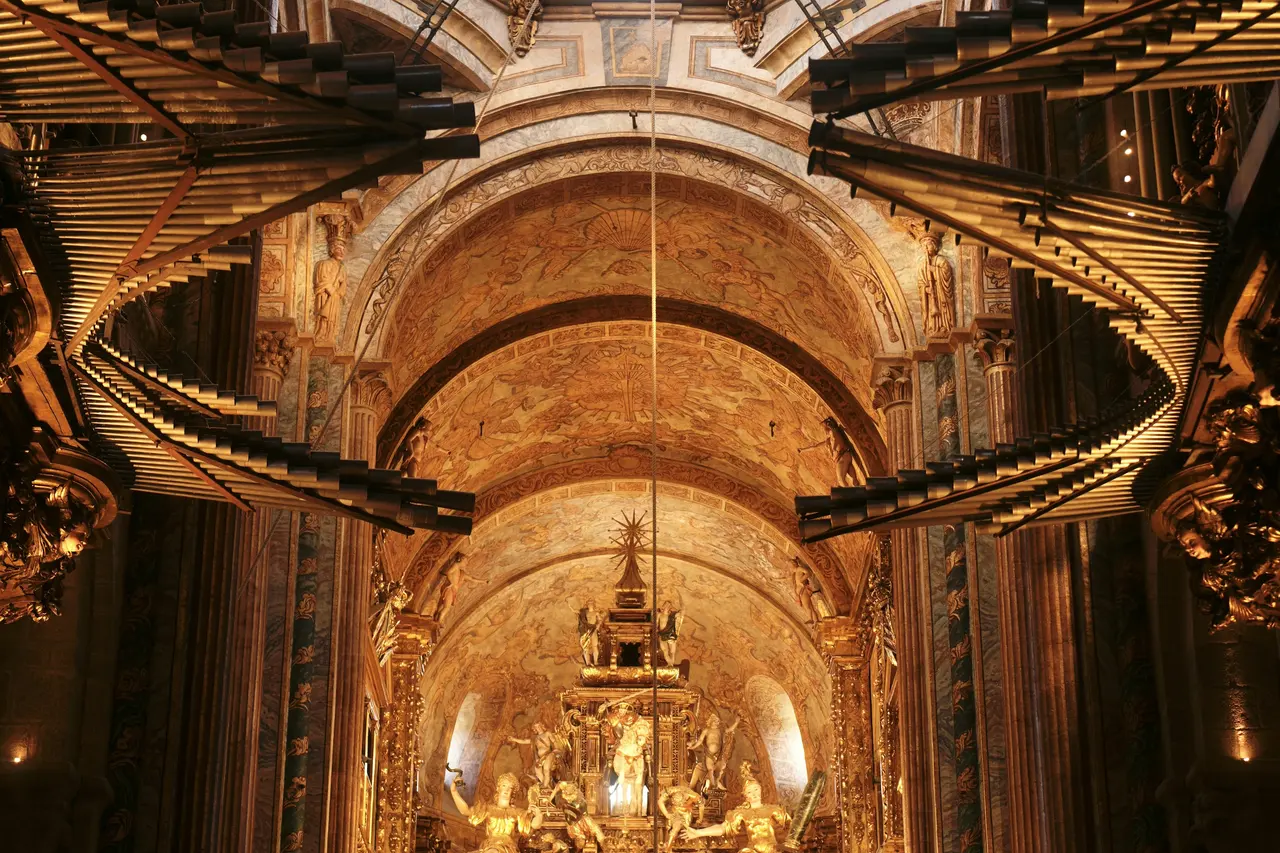
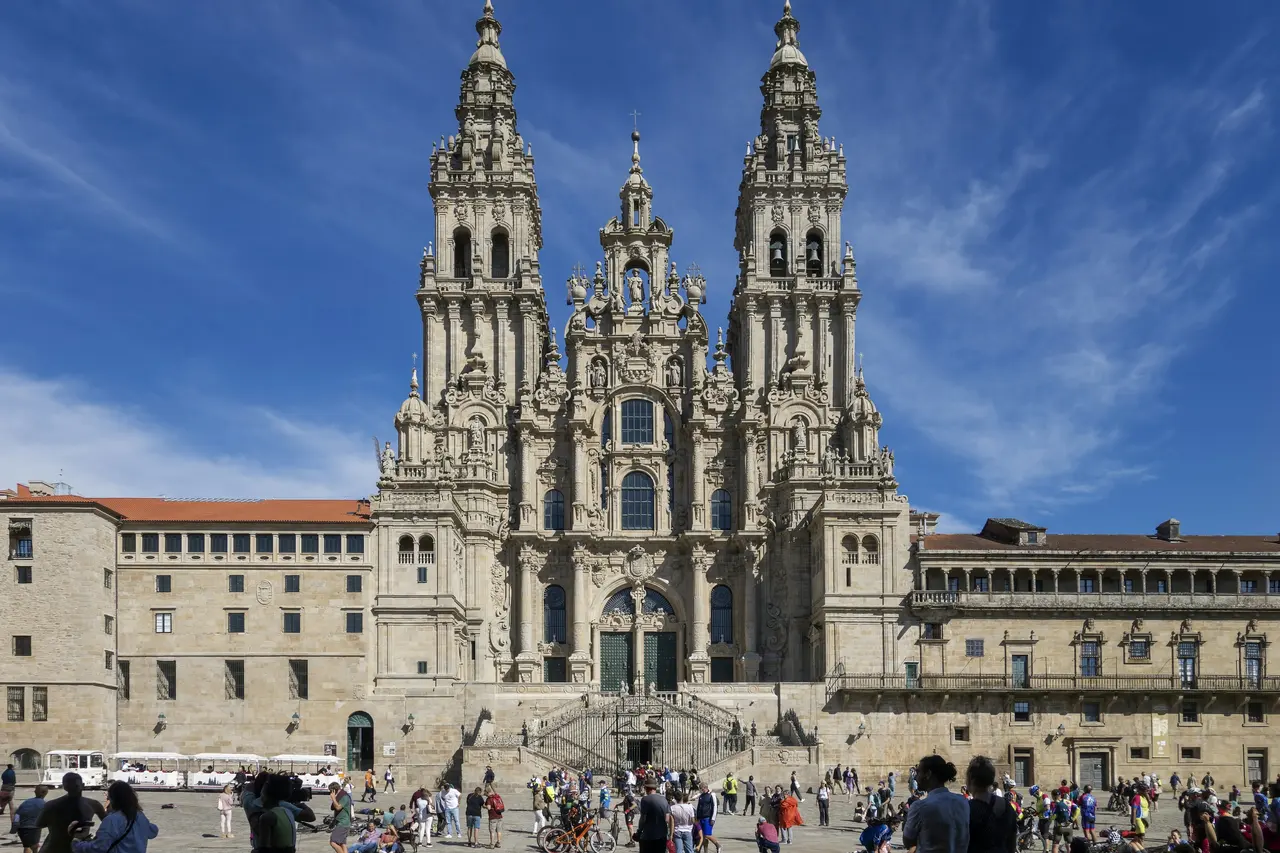
In Santiago de Compostela, make time for the squares around the cathedral, then choose between the market and the Alameda. Walk in along one of the pilgrimage streets to see where it enters the centre. To take a closer look at the building, compare guided visits in Santiago. An unhurried day works well if you want time inside the cathedral and a walk beyond it.
On the Costa da Morte, Malpica and the Corme area make one outing. Camariñas and Cabo Vilán make another. Muxía and the cape at Fisterra can fit into a longer day. At Muxía, give the shore by the shrine of A Virxe da Barca priority. At Fisterra, the village harbour and the lighthouse at the end of the cape are separate stops. See which one you want for the afternoon before you commit to an order.
From Noia to Barbanza
In Noia, visit the medieval streets and look at the gravestones at Santa María a Nova. In Muros, the harbour and arcades are part of a single walk. Choose which town suits your lunch plans and pair it with a short walk along the same estuary. A meal in one town and a sunset in the other are easier to plan than trying to fit both banks into a single morning.
On the Barbanza side, leave a day for Rianxo, A Pobra do Caramiñal or Ribeira, plus time by the shore. Rianxo looks onto Arousa and is a good place to start by the water. From Ribeira, the dune and lagoon country at Corrubedo shows the coast from a different angle. Choose a route through the park before adding another coastal town to the day.
Monuments and heritage
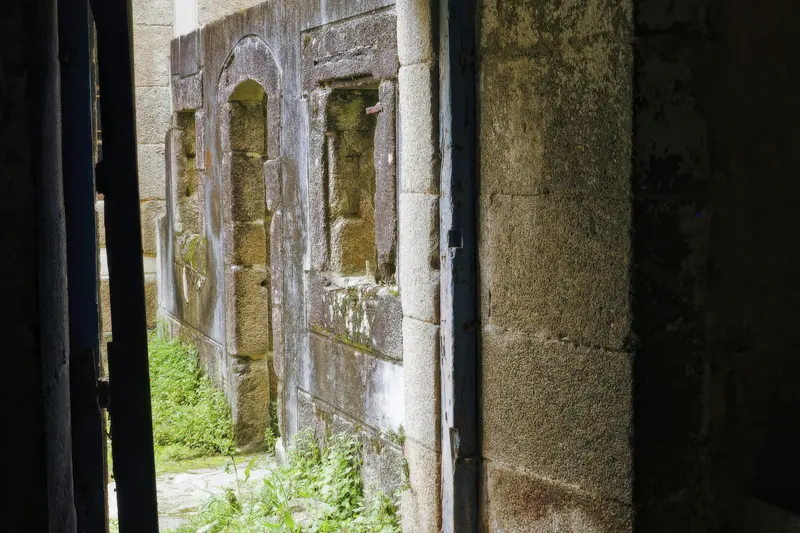
A Roman lighthouse, a naval town and pilgrim roads
The Tower of Hercules has Roman origins and is a UNESCO World Heritage Site. Walk out along the peninsula to understand what approaching ships would see. Santiago’s old town is also on the World Heritage List. On a short visit, concentrate on how the cathedral sits among the squares. An interior visit as well as a good walk around the outside deserves a longer slot.
Ferrol’s straight streets in A Magdalena are a way into the history of the Enlightenment and the naval port. At San Felipe, look at the castle’s position at the estuary entrance. The English Way leads from historic maritime starting points. Its branches from Ferrol and A Coruña approach from different directions before joining on the way to Compostela.
Churches, granaries and local crafts
The churches of San Francisco and Santa María do Azougue are good starting points in Betanzos. In Noia, look for the marks on the gravestones at Santa María a Nova, which provide clues to the trades of the medieval town. In Camariñas, lace-making is part of local history. Ask about exhibitions if you want to see finished pieces up close, and confirm opening times before planning a whole morning around them.
Carnota’s raised granary is particularly easy to read in relation to nearby buildings. Compare it with smaller hórreos you see from lanes and roads. Look at the floor, ventilation and the supports below the storage chamber. Many granaries are still close to working houses or on private property, so look from public ground.
Charming villages
Redes, Mugardos and Pontedeume
Walk beside the harbour in Redes to see houses that face directly towards the water. It is a short stop before or after an outing to the Eume. Mugardos sits across from Ferrol and suits a harbour lunch. In Pontedeume, walk from the bridge into the arcaded streets. Choose two according to the shore you are following and save some time for the water itself.
Laxe, Camelle and Corcubión
In Laxe, you can walk from the harbour to the town beach. Save the trip towards the lighthouse until you know what the wind is doing. In Camelle, follow the streets to the harbour and see how close the houses sit to the water. Combine it with Arou or a short stretch of coast if there is enough light.
At Corcubión, walk above the water and look across to Cee at the head of the inlet. It is a useful stop between Fisterra and Ézaro. If you stay overnight, choose between the waterfront and a view from higher up. The slope makes a difference when you walk home after dinner.
Nature and protected areas
The Fragas do Eume are an area of Atlantic woodland around the river. Choose a valley walk or make Caaveiro monastery the focus. Estimate the time needed to get back before you set off to explore beyond the monastery. Look up the approach roads and trail conditions for your date. Shoes with grip and a light waterproof are useful under the canopy.
The Corrubedo natural park contains coastal dunes and the Carregal and Vixán lagoons. Stick to the designated paths and look at the dunes from the viewing areas. With binoculars and some time to stop, the lagoons can repay a longer visit. Pair the park with a meal in a nearby harbour town if it gets windy.
In the Serra da Capelada, the height of the cliffs makes the coast feel very different from the port below. Check visibility near Santo André de Teixido before setting out for the viewpoints. In heavy fog, spend time around Cedeira and come back on a clearer day if possible. Leave an extra slot for Cabo Ortegal, including the drive to the final point where you can stop safely.
Beaches in A Coruña province
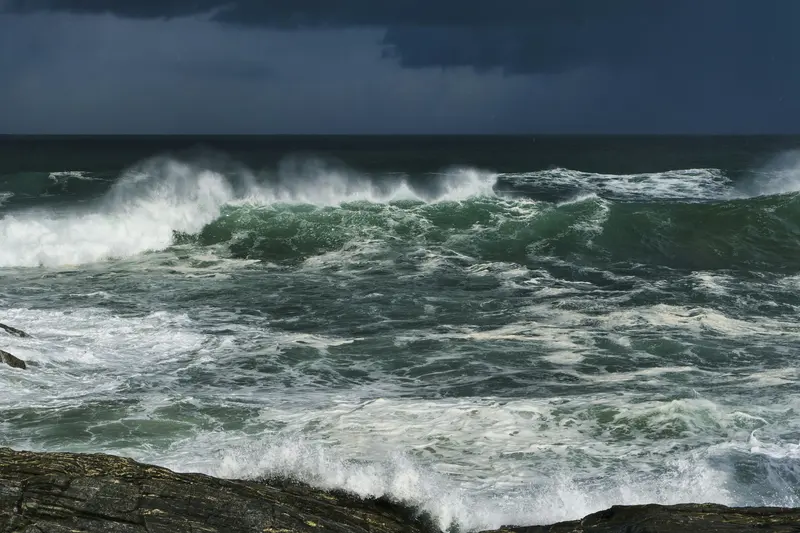
The city waterfront, Doniños and Pantín
At Riazor and Orzán, you can spend time on the sand and walk back into central A Coruña. Pick a stretch in light of the wind and the warning flags. Near Ferrol, Doniños is a shift to an open coast, and Ponzos provides another chance to walk with Atlantic views. At Pantín, surfing is part of the beach’s identity. Look at the sea conditions even if your own plan is a walk.
Carnota, Laxe and the inner estuaries
Carnota has a long stretch of sand backed by low-lying land. On a windy day, pick an entrance with a short and easy return. In Laxe, you can visit the beach for as long as you like and still have lunch near the harbour. Within the estuaries there are beaches with a different orientation, such as A Magdalena at Cabanas. A shore that feels sheltered can still have currents, especially near river mouths.
Festivals and traditions

The Feira Franca Medieval de Betanzos took place from 10 to 12 July 2026, with a market and performances in the old town. For future editions, allow time for the event rather than trying to fit the town between two other drives. See which streets are occupied by the market and where you can park before approaching the centre.
The Festa do Polbo in Mugardos took place on 11 July 2026. It focuses on the town’s style of preparing octopus. Ferrol’s Holy Week celebrations bring different brotherhoods and their processions into the streets. Check the programme for the year of your trip. Find a place to stand or time your other visits around the stretches that will be busiest.
What to eat
Around Ferrol, look for pulpo a la mugardesa, octopus prepared with onion and pepper. In Betanzos, ask how the local tortilla is cooked. It is often just set and moist inside. The Mercado de Abastos in Santiago is a good first stop to see the fish, cheeses and pies before choosing what to eat. Buy something portable if you plan to spend the afternoon away from the city.
On the Costa da Morte, let the harbour guide lunch. Ask about the day’s fish, or look for a fish stew or a slice of empanada. Confirm whether shellfish is priced by the portion or by weight. In Barbanza, compare what you see on the plate with the mussel rafts out on Arousa. Time a long lunch for the part of the day when you can follow it with a short town walk.
Sport and outdoor activities
Turismo de Galicia describes a 22 km loop near Camariñas with side routes to A Virxe do Monte and Cabo Vilán. Check the section you want and allow for the detours. If the group wants a shorter day, select an out-and-back stretch and set a clear point to turn around. Wet surfaces and a headwind can slow the walk considerably.
On the English Way, choose a stage with a workable connection between the ends. Leaving a town or walking into Santiago is a way to sample the route with very little luggage. If you prefer the water, Pantín and Doniños are open-coast surfing beaches. Look for instruction that suits the conditions and experience of the group. For a gentler afternoon, walk around an estuary instead of trying a paddle without checking current and wind.
Routes and itineraries
Three days in Santiago and around the Ártabro Gulf
Spend one day in Santiago and another on the waterfront and headland in A Coruña. On day three, choose Betanzos and a river walk or Ferrol and its naval heritage. To visit the Eume from Pontedeume, make it the main outing that day. Take the clearest day for the coast if the forecast gives you a choice.
Five days on the way to the Costa da Morte
Spend two nights in a city and three in a harbour town in the west. Stop in Malpica or Laxe on the way. Visit Camariñas and Cabo Vilán on one day and Muxía or Fisterra on the next. Leave a half day for a beach. On your last morning, consider Noia if it fits the journey back towards Santiago and you have time before departure.
The southern coast from an estuary base
Use the first morning for Noia and familiarise yourself with its side of the estuary. On day two, go to Muros and Carnota or follow the coast of Barbanza to Corrubedo. Add a third day if you want both areas. Locate the furthest stop before choosing the base. With a short walk nearby, you can have a relaxed first evening without moving the car again.
Travelling with children
At the Tower of Hercules, children can see the destination from part of the way out and you can shorten the walk easily. From a coastal town, choose a beach you can reach from where you are staying and keep a viewpoint for the next day. In the Eume valley, a short walk by the water gives you much of the character of the forest. Check the path and distance before setting out to reach the monastery with young children.
Where to stay in A Coruña province
A Coruña or Santiago. Choose either if you are arriving by air or train and want dinner within walking distance. A Coruña suits the Ártabro Gulf. Santiago combines its own old centre with outings west or south. Check where you can drop bags before you book on a pedestrian street.
Ferrol, Cedeira or Pontedeume. Ferrol is good for the English Way and naval heritage. Cedeira puts you near A Capelada. From Pontedeume you can turn towards either the estuary or the Eume valley. Choose according to the kind of evening you want, whether beside the port, in a city or closer to the forest.
Laxe, Camariñas, Muxía or Cee. Choose by the section of the Costa da Morte you will visit most often. For a week of beach walks, check whether you can reach the shore from your front door. In Fisterra, a place in the harbour is a different prospect from an address on the road to the lighthouse.
See places to stay in A Coruña province (opens in a new tab)Affiliate link: if you book through it, we may earn a commission at no extra cost to you.
Practical tips and common mistakes
Look up the exact access point. Fragas do Eume covers several municipalities. At a lighthouse, the final stretch of the approach may be a walk. Save the trailhead and nearby parking so you can find them on a narrow road.
Save the headlands for clear weather. Fog takes away the main reason to spend time at a viewpoint. Keep a sheltered alternative in the same area, such as a harbour or an old town.
Plan linear walks in both directions. Check the return before leaving and consider travelling to the start first so you can walk back to your car. If the connection is awkward, choose a shorter route and turn around partway.