Español
 English

Why visit Badajoz province
Choosing what to see in Badajoz province begins with the Guadiana. The river passes through Mérida and the city of Badajoz, receives water from a network of reservoirs in the east, and shapes the route once more at the Portuguese border. To the south are Tierra de Barros and the low mountains around Zafra, Jerez de los Caballeros and Tentudía. You can cross the western section on a main road and spend the rest of the day in two streets in Olivenza, or spend an entire morning on one shore in La Siberia.
This is the southern province of Extremadura. History appears at several different scales. In Mérida, the layout of a Roman capital is still visible within the modern city. Medellín and Regina tell a different part of that story, with open fields beyond the theatre seats. Alange brings the use of water into focus. In Zafra, the route between a fortified palace and the market squares connects with a history of trade that continues at the livestock fair.
Pick two areas if you have five days and want to travel beyond the cities. Mérida and Badajoz can work as a break by rail and on foot. With a car, pair the Portuguese border with Zafra or the Guadiana floodplains with La Serena. If you hope to stay by the water, choose the shore before choosing your town. The name of a reservoir covers a much larger area than you can explore on foot from most accommodation.
When to go
Seasons for cities, hills and reservoirs
Spring suits a mix of squares, archaeological sites and time in the dehesa, the open oak pasture. On an April day you might put a long outdoor visit before lunch and have a museum in reserve in case the weather changes. For a ride along the Guadiana, think about how the surface will hold up after rain. Low paths by the river may still be muddy after the roads have dried.
In summer, see Mérida and Badajoz early and late, and arrange the midday break near the place you will visit next. The reservoirs make a different sort of trip possible, with shorter transfers and time by the water. Look up designated bathing areas and find out which ones have shade. A well-filled reservoir in a photograph can look different in your travel month, with the water much farther from the road or the usual access point.
Autumn lends itself to Zafra, wineries in Tierra de Barros and the Sierra Suroeste. At Tentudía, wind and visibility at the top can differ from conditions in the town where you start. A winter birdwatching trip has its own pace. Dress to stand still at a viewpoint on the Guadiana floodplain and choose somewhere to park away from traffic. Keep a city visit for after the best light has gone.
Getting there and around
The A-5 is the main approach from central Spain towards Mérida and Badajoz, with a road connection towards Portugal at the border. The A-66 crosses the province via the areas of Mérida, Almendralejo and Zafra. From the south, decide whether to start in Campiña Sur or along the Zafra corridor. A turn that looks close to your destination might put you on the far side of a ridge or reservoir.
Renfe sells tickets on the Madrid–Badajoz route in 2026. For a city break, search with Mérida as an origin or destination as well. The operator also lists regional rail services between Mérida and Zafra and between Badajoz and Villanueva de la Serena in 2026. Check the departure station, your connection time and the last useful return train for the day you travel. In the countryside, a station and a site with the same town name can be a long way apart.
Aena lists Badajoz Airport in its 2026 network. If its flights suit your journey, establish how you will reach the city or your first accommodation. For a rail trip to Mérida and Badajoz, arrange the historic centres on foot and decide later whether to hire a car. For Alqueva, Tentudía and the eastern reservoirs, it is generally easier to collect one when you are ready to leave town.
What to see in Badajoz province
What to see in Badajoz province on a first circuit
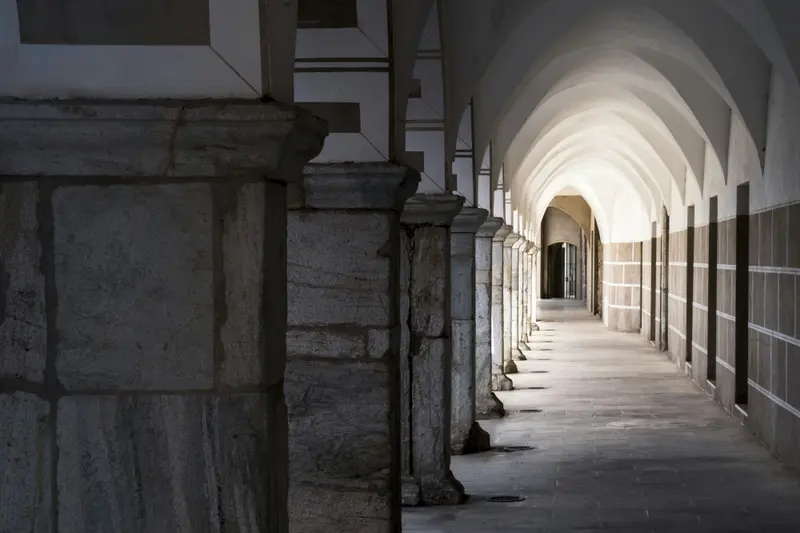
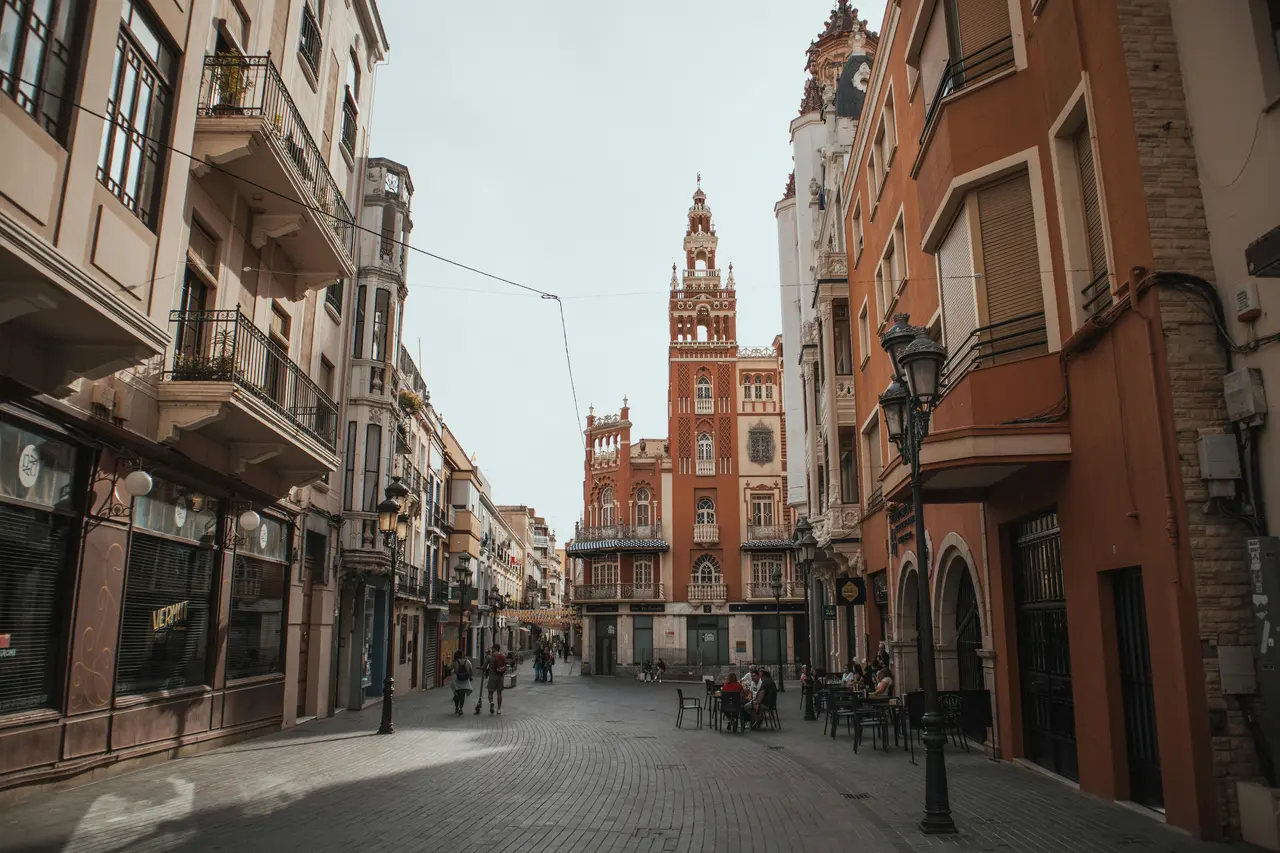
In Badajoz, begin around the Alcazaba and look over the Guadiana from the upper ground. Walk to Plaza Alta to see its arcades and façades, and allow a separate stretch of time for Puerta de Palmas and the bridge. The route between them reveals the slope from the fortress to the way people historically entered the city from across the river. On a hot day, put an indoor stop or lunch between those two parts of the visit.
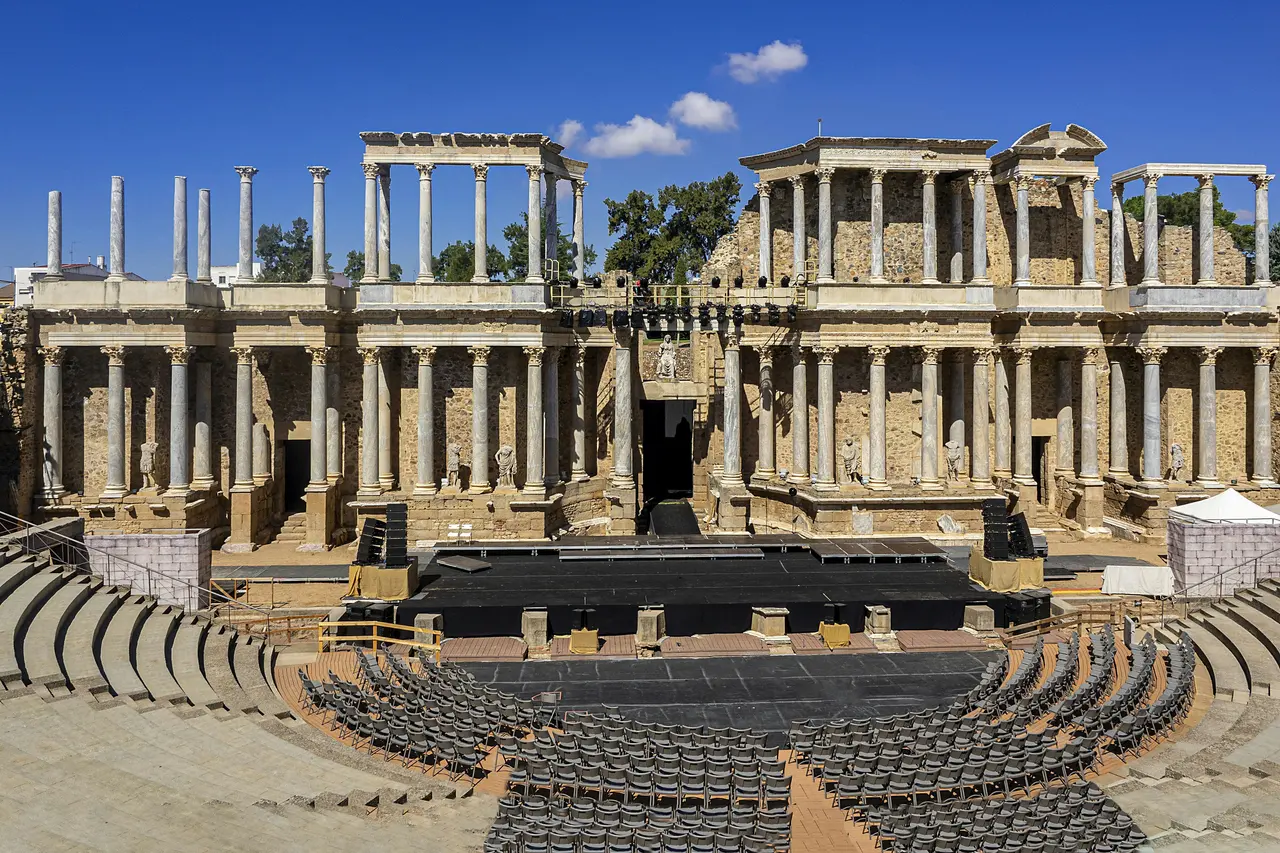
Give the archaeological sites in Mérida a full day. Pair the theatre and amphitheatre, then visit the National Museum of Roman Art to see individual objects and their context. A separate circuit can take in the Temple of Diana, the Alcazaba and the bridge among the streets of the present-day city. If you also want the forum, circus and aqueduct, rethink the order. Staying overnight gives you a chance to split the visits and return to the river later.
Alange offers two reasons to leave Mérida. The baths form part of the archaeological ensemble on the World Heritage List, and water shaped them in a different way from the other buildings you will see in the city. At the reservoir, you can look back towards the town and its hillside. Pick the relevant access point for each outing. A heritage day and a reservoir day can share a base but call for different arrangements.
At Medellín, the castle, Roman theatre and Guadiana help explain the terrain. From below you can see how the slope positions the fortress. From higher up, the view opens across the river and the Vegas Altas. Coming from Mérida, spend the rest of the day in this area or add a stop near the same river corridor. Set aside another day for a trip to the border.
Monuments and heritage
Three ways to look at the archaeology
Beyond Mérida, smaller sites offer a different view of Roman settlement. Regina Turdulorum, near Casas de Reina, has a surviving theatre in open country. Look at the way its seating fits the terrain. For a visit from Llerena, verify access and leave time to walk through the town afterwards. A lunch stop gives you another chance to look closely at the arcades around the square.
Cancho Roano, in the municipality of Zalamea de la Serena, takes the route back to the Tartessian period. If the site is open during your stay, start with the interpretation before trying to make out the footprint of the structure. The rural setting makes sense as part of a day in La Serena, with a view of the open landscape and enough time to get between the visits.
At Alange, pay attention to how water determined the layout of the Roman baths. Find out what is possible if your purpose is to see the historic rooms and which booking covers a spa visit. The first puts another piece of Augusta Emerita in context. Give the second a reliable block of time before driving to an attraction with a fixed entry slot.
Fortifications and architecture in the towns
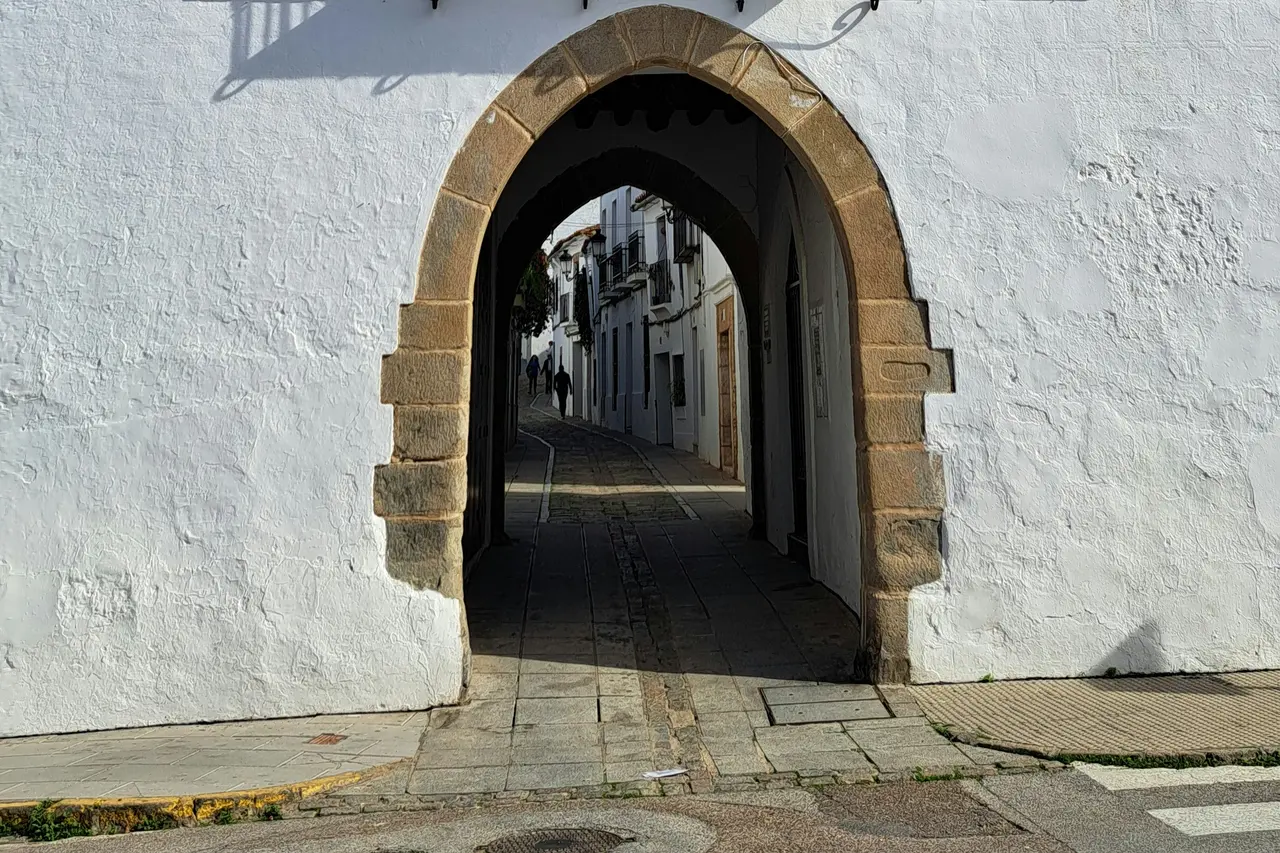
In Olivenza, find the castle and keep, then cross to Santa María Magdalena. The church decoration and the fortified layout reflect different parts of the history of the Spanish–Portuguese border. In Zafra, the outline of the Duke of Feria’s former palace stands out against the scale of the market squares. A walk around the outside reveals the towers and the space between the palace and the old centre. The palace is now a Parador hotel.
Charming villages
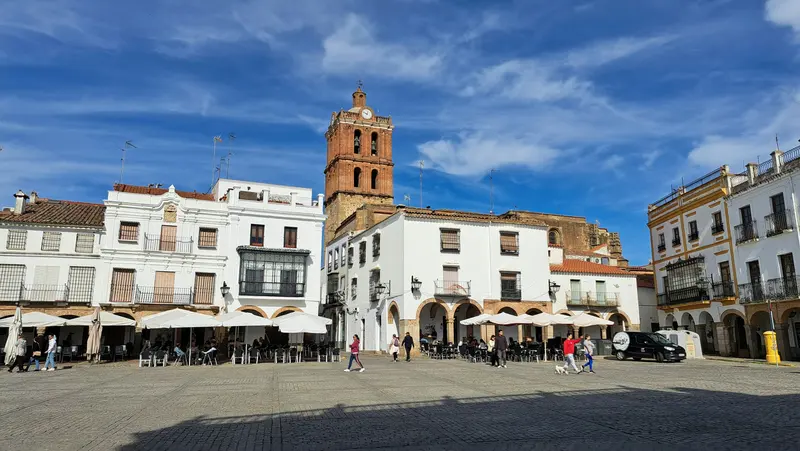
From the Feria estates to Sierra Suroeste
In Zafra, start at Plaza Grande and step through the passage to Plaza Chica. Notice how the scale of the arcades changes. A short walk takes you on to the fortified palace and the pattern of older streets around it. Leave the squares by a different lane on your second loop and return when the outdoor tables are in shade. An overnight in Zafra means you can start early on one of the neighbouring towns.
In Jerez de los Caballeros, look at the towers from different levels of the town. San Bartolomé is a good one to study for its Baroque decoration. From the lower streets, towers help you find your bearings when the roofs hide the squares. The town is hilly. With children or someone who finds slopes difficult, divide the upper part and the centre with an indoor stop or a drink.
Fregenal de la Sierra fits a circuit in the southwest. Begin near the castle and walk through the central streets to compare the scale of the fortress and the town houses. If you arrive from Jerez, keep some daylight for the stretch of dehesa or farmland you intend to explore. A trip through this side of the province works well with one town for lunch and another to stay the night.
Llerena and Campiña Sur
In Llerena, the church of Nuestra Señora de Granada and the arcades make Plaza de España an easy first stop. Come through one of the side streets and leave by another to see how the approaches open into the square. From Llerena you can carry on to Regina or keep to a walk before the next drive. Choose the right direction depending on whether you are continuing through Campiña Sur, visiting Zafra or heading into Andalusia.
Nature and protected areas
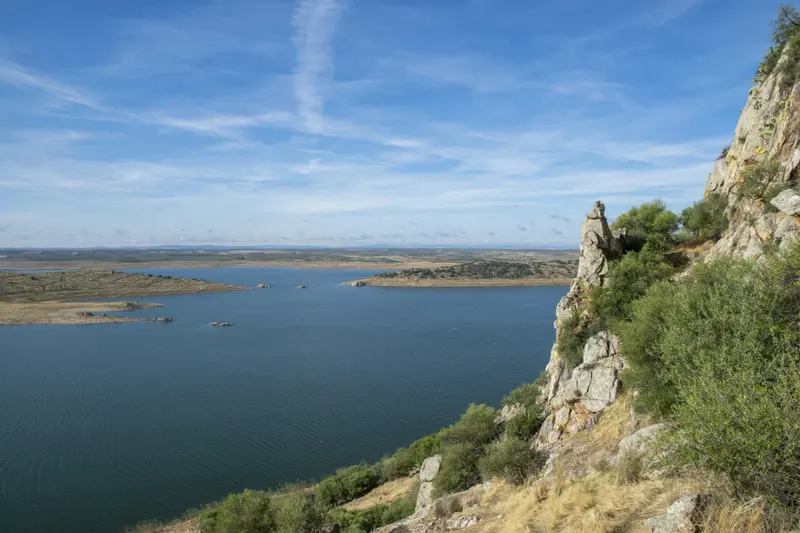
Cornalvo, a visit to the dehesa from Mérida
Cornalvo Natural Park combines oak pasture, paths and a reservoir with a dam of Roman origin. It is a useful day out from Mérida if you want to compare water engineering in the city and the countryside. Choose a section with an easy return and think about shade and drinking water from the time you leave the car. The trees leave large clearings, and even a short route can feel exposed in summer.
A walk around Cornalvo is different if you want to watch birds. Look for somewhere you can stand without blocking the path and give yourself time to scan the point where the trees meet the water. If you head towards the dam, distinguish what you can see from the path from parts of the structure that may require a separate approach or be closed.
La Siberia, La Serena and Alqueva
In La Siberia, the biosphere reserve takes in oak woods, low ridges and reservoirs in the Guadiana and Zújar basins. A centre such as Herrera del Duque makes it easier to arrange several outings. The arms of the reservoirs make many drives between shores longer than they look on a map. If your plan is to see the light at first thing in the morning, choose a place to stop and keep enough time to reach it comfortably.
In La Serena, pay attention to the contrast between open pasture, low hills and large stretches of water. Orellana la Vieja gives you a base for time at its reservoir and birdwatching from the shore. To the west, Alqueva deserves a separate day. Around Cheles or Olivenza, you can stay on the Spanish side. For a trip into Portugal, identify the crossing and check which local time you will use on the way back.
Festivals and traditions
The city celebrated Badajoz Carnival from 13 to 22 February 2026. The programme ranges from the song contests of the murgas to street parades with costumed comparsas. For another edition, find the event you want to see and check where it takes place. With children, decide how long to stay and which streets you will use to walk back to your accommodation.
The Mérida International Classical Theatre Festival ran from 3 July to 30 August 2026. The programme included stages in the city and linked venues such as Medellín and Regina. Check the venue shown with your ticket before choosing where to stay. If the performance is outside Mérida, make a separate plan for the evening journey back.
The provincial council put the 2026 Zafra International Livestock Fair on 1–6 October. The fairground is the centre of the livestock events. Plan the journey to the venue separately from a walk around the historic squares. If you come for another edition, start with the dates and choose accommodation for the part of the festival you plan to attend.
What to eat
In Tierra de Barros, wines under the Ribera del Guadiana designation give you a reason to leave the main road. Find a winery visit that covers the work taking place there at the time of year, from receiving grapes to ageing wine. If you plan to taste, agree whose turn it is to drive. Leave time for lunch in the same area before getting back onto the main road.
In the southwest, Iberian pork is one way to understand the working dehesa. At a shop or curing house, ask about feed, curing time and the difference between buying a joint and taking away a small pack. In La Serena, try a local sheep’s cheese for a different taste of open pasture. Share a portion if you are comparing cheese and ham, and ask who made each cheese.
Try migas, a dish made with day-old bread, or a lamb stew if you want a sit-down lunch. In Olivenza look for técula-mécula, a local sweet to try after a walk in town. On a day at a reservoir, pick up water and something to eat in the last town. The time you reach the next restaurant depends on how far you have to drive around the water.
Sport and outdoor activities
For birdwatching, spend time in one wetland area and one stretch of open country. On the Guadiana floodplains or in La Serena, find a public stopping point with a useful view into the landscape. Walk slowly, then stay in one place long enough to see what moves. If you book a guide, ask which habitats you will visit and how much time you will have outside the vehicle.
For walking, compare a flat riverside trail with a route into one of the southern ranges. At Tentudía, the climb and exposure of the final stretch matter at least as much as the distance to the monastery. Pick a route you can shorten if the wind picks up or the temperature changes. For a cycle ride in the floodplains, check the surface and find where you can cross the river or return on the same side.
At Alqueva and the other reservoirs, plan a day on the water from an authorised access point. Ask about buoyancy aids, wind and returning to the launch if you hire equipment. A separate activity on land gives you something to do if conditions change. For a family swim, look up the exact spot and use an established entrance to the water.
Routes and itineraries
Two days on the Guadiana
Spend a day in Mérida and another in Badajoz. Start at Mérida’s theatre and amphitheatre, then visit the bridge and Alcazaba later in the day. In Badajoz, work downhill from the Alcazaba and Plaza Alta to Puerta de Palmas. By train, look separately at your earliest practical start and the time you will need to leave the last site to get back to the station.
Three days on the border and in Sierra Suroeste
Begin in Badajoz, spend the next day in Olivenza and by one shore of Alqueva, and finish in Jerez de los Caballeros. Move base after the border outing if you are heading towards Zafra or Andalusia. When water is the priority, stay at the same access point for the afternoon and leave the longer indoor stop for the next morning.
Four or five days towards La Serena
Use Mérida as a first base and set aside a day for Alange or Cornalvo. Drive east via Medellín towards Orellana la Vieja. Spend the fourth day walking by the water or watching wildlife. On day five, head deeper into La Serena to see an archaeological site, or north towards La Siberia. Choose according to where you want to leave the province.
Where to stay in Badajoz province
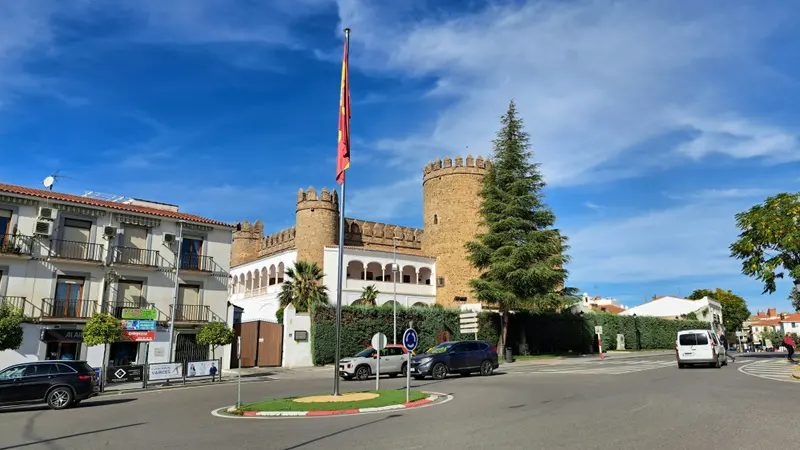
Choose Mérida for somewhere you can walk to the two main groups of archaeological sites. In Badajoz, the old centre is within walking distance of the fortress and squares. If arriving by train and hiring a car later, compare the pickup address with the places you can stay. On the frontier, Olivenza saves time on the first trip to Alqueva and gives you a place to spend an afternoon on foot.
Zafra pairs its market squares and fortified palace with an easy start towards Tierra de Barros, Jerez or Tentudía. Llerena puts you closer to Campiña Sur and Regina. In the east, book for the reservoir access you have chosen. Try Orellana la Vieja for a day by the water or Herrera del Duque to make several trips in La Siberia. Check that your accommodation and the shore connect by the road you intend to use.
See places to stay in Badajoz province (opens in a new tab)Affiliate link: if you book through it, we may earn a commission at no extra cost to you.
Practical tips and common mistakes
- Plan around the shore you need. Reservoirs extend road journeys. Search for the actual beach, launch or viewpoint when you look up directions.
- Check the archaeological sites separately. Confirm the right entrance and whether to start at an interpretation centre. Wear shoes for the surfaces you will walk over.
- Keep the earliest hours for open sites. That makes a difference in squares, theatres and by the water in hot weather. Save a short walk for dusk.
- Pick up supplies before the drive. Decide where you will eat and buy water before setting off for a dam, trail or estate. A distant crossing can delay the next meal.